Drowning in Plastic is a feature-length single episode documentary first shown on BBC 1 in October 2018. It was presented by the science and wildlife TV presenter Liz Bonnin. With the issue of plastic pollution in seas and oceans having such a high profile in the media this programme has clearly been commissioned by the BBC to provide a detailed investigation into this issue.

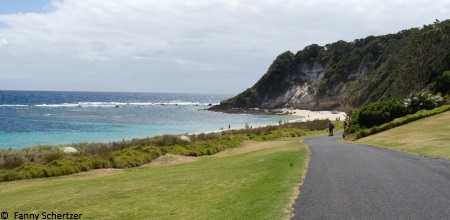
The programme begins with Bonnin travelling to Lord Howe Island, a small, sparsely inhabited island located in the Tasman Sea several hundred miles away from the Australian mainland. Bonnin, along with a team of local scientists, finds that plastic pollution has affected wildlife in this remote location with shearwater chicks being found to have large quantities of plastic in their stomachs. This is just one of the ways in which the programme informs the viewer that plastic pollution is causing harm to wildlife across the world, with Bonnin pointing out that even remote locations such as Lord Howe Islands can be affected. Indeed, the scale of plastic pollution and the sheer number of problems it causes is made clear to the viewer. Small pieces of plastic can be mistaken for food, plastic carrier bags are eaten by larger species as they look like jellyfish and even the algae which grows on plastic waste can spread diseases and infections to marine creatures. Microplastics – small pieces of plastic less than one millimetre across – are another major issue, and the majority of these are too small for humans to even see with the naked eye.
Bonnin visits a number of locations across the world for the programme. These include Indonesia where we see that small plastic sachets have allowed the mostly poor population to import a range of products from other countries which were previously unavailable to them. However, this has produced a major issue with pollution as the plastic packets prove impossible to dispose of in an environmentally friendly way. In Cape Cod on the east coast of the USA Bonnin sees the problems caused by the plastic rope and lobster traps used by the commercial fishing industry. Throughout the programme Bonnin is informative and expressive. Her science background allows her to communicate the issues surrounding plastic pollution and its impact on the marine environment to the viewer in an effective way. She is also clearly concerned about the animals she sees suffering from the effects of plastic pollution, becoming tearful at several times during the programme, such as when she joins a team in America trying to rescue seals which have become entangled in plastic. The enduring nature of plastic waste is also driven home when Bonnin and another team of scientists find an empty tomato sauce bottle washed up in a remote and isolated part of Norway within the Arctic Circle.
The programme also looks at some of the positive progress which has been made in trying to solve the plastics problem. Bonnin looks as the Sea Bin, a small device which traps plastic waste in harbours and the Ocean Cleanup Project, a huge initiative founded in the Netherlands by Boyan Slat when he was a teenager. Ocean Cleanup has developed massive floating booms which are designed to be sent to the high seas and rid the oceans of plastic waste. Alternatives to plastic are also examined, such as an Indonesian invention which would solve the problem of plastic sachets which was looked at earlier in the programme. However, the many criticisms which have been levelled at the Ocean Cleanup Project, and the limitations of the Sea Bin, are not touched on as this programme maintains a positive outlook when it comes to solving the world’s plastic pollution problems.
Overall Drowning in Plastic is a very informative and interesting programme. Liz Bonnin is an engaging and extremely knowledgeable presenter who clearly cares deeply about the issues she is investigating and the production values of this programme are extremely high. Being on the BBC the programme presents a balanced view, with many of the inventions which aim to solve, or at least reduce, the plastic pollution problem looked at in detail. Some viewers may have preferred it if the programme had taken a harder line and been more unambiguous in pointing out that the level of plastic in the oceans is already at crisis point and we, as a planet, simply need to use less plastic and manufacture less plastic if we are to have any hope of maintaining a healthy marine environment. However, Drowning in Plastic definitely succeeds in bringing attention to the issue of plastic pollution across the world, and is a programme which anyone with any interest at all in the health of our seas and oceans should watch.